“Let’s make policing more democratic”, says Lib Dems
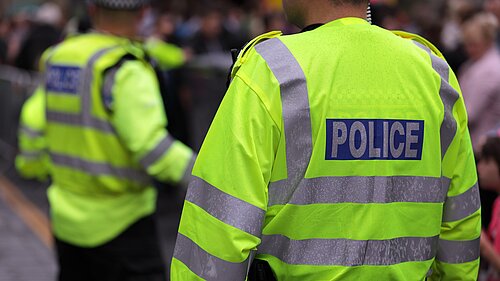
Liverpool Liberal Democrats have called for the soon-to-be-scrapped Merseyside Police Commissioner to be replaced with a new Police Liaison Committee
With the Government’s announcement that directly elected Police and Crime Commissioners are set to be abolished by April 2028, questions are being asked about who will replace them.
Cllr Richard Kemp, the Liverpool Lib Dems Spokesperson on Governance, has written to the Home and Community Cabinet Ministers calling for a new Merseyside Police Authority made up of representatives of the 5 local councils on Merseyside.
Cllr Kemp said, “Police and Crime Commissioners have been a complete failure and it’s for the best that Labour are scrapping them. They were confusing, costly, and next to impossible to scrutinise properly - that’s why we’ve long sought their abolition.
“So now we need to find a new way to move forward. A way that will provide accountability to our residents and drive forward new ideas and innovation in Merseyside Police. Frankly, the Metro Mayor isn’t up for the job; he’s spent most of the last two years arguing that a bendy bus is actually not a trackless tram.
“We need a more democratic and accountable approach - like a new Police Liaison Committee, made up of representatives from the five local authorities on Merseyside. Similar structures already exist within the Fire Authority, so it makes sense to have a more widely accountable committee rather than vest even more power in Mann Island. Given his track record so far, the Metro Mayor isn’t equipped to take on the crime and policing brief.”
Cllr Kemp set out the Lib Dem plan for a “Merseyside Police Liaison Committee.” He wanted to see the committee composed of members from the five councils. So policing can be rooted in community safety and crime prevention, and in creating stronger local links between police services and councils.
The Cllr Kemp argued that this made sense as the council, not the Metro Mayor, provides the frontline services that link to policing and could, in the long term, reduce criminality. The Liverpool Liberal Democrats see this as the first step in building greater trust between the police and communities by dealing with the problems they face on a day-to-day basis.
Cllr Kemp continued: “If we take drug trade as an example, we can see work at two levels. The Police must work at a high level to deal with organised criminal elements - the Mr Bigs, as it were.
“But for most residents, the daily effect of the drug trade is in more minor crimes committed by gangs and addicts. So many communities are terrorised by burglaries and other offences. Greater community links between the police and the councils mean we can take a joined-up approach, so the council can ensure that alley gates are locked, that streetlights work, and that community groups are supported in dealing with the problems faced in their areas.
“Not to mention the public health element of drug addiction, a responsibility shared between councils and the NHS. Together, all three parties can work collaboratively to prioritise prevention and rehabilitation.
“At the end of the day, policing requires the trust of the community, and trust is only developed through being out there working hard for people. Frankly, there’s only one metro mayor. How on earth is he expected to know what’s happening in every corner of the county? He can’t, but as councillors, we already are.
“Giving the PCC powers to the Mayor just isn’t going to change anything - it doesn’t bring policing closer to our communities, it still keeps it at arm's length. If the government is serious about making policing more democratic and accountable, then they would go down the route of establishing Police Liaison Committees made up of local councillors, not cop out and give the powers to the metro mayors.”